Align with Source using breath,
movement and mantra
Kundalini Yoga
Yoga is a system of physical and mental disciplines originating in India that have developed over thousands of years, designed to bring the mind to stillness. Through consistent practice, the seeker can experience one’s true nature as unified consciousness, which is beyond the mind. Various yogic practices are included in Hinduism, Buddhism, Jainism and Sikhism. Yogic teachings outline the process and technology of disentanglement leading to liberation.
The origin of Kundalini Yoga can be traced back to the Vedic period, around 1500 BCE, with references to prana (life force energy), nadis (energy channels) and inner spiritual fire. Several Upanishads, particularly the Shvetashvatara Upanishad from around the 5 th century BCE, and the Yoga- Kundalini Upanishad, from the 11-16 th century CE, discuss the concept of spiritual energy rising through the body, leading to higher states of consciousness. Tantric texts, which emerged around the 5th to 7th centuries CE, provide a detailed description of Kundalini energy, chakras, and the practices for awakening and directing this energy. The Shakta tradition from around the same time period also focused on kundalini yoga as it related to the worship and embodiment of divine feminine energy (Shakti).
Kundalini Shakti is a divine feminine creative energy that guides the living transmission of Kundalini Yoga, influencing all aspects of the practice - from ‘choosing’ those who are called to the practice; connecting teacher and student; guiding each individual’s personal spiritual awakening; and ensuring the preservation and evolution of the tradition. Kundalini Shakti is a living consciousness that not only drives individual transformation but also ensures that the teachings of Kundalini Yoga remain alive and meaningful with each generation of practitioners.
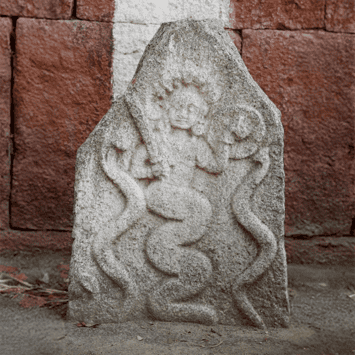
Sculpture depicting Kundalini Shakti,
Hampi, India
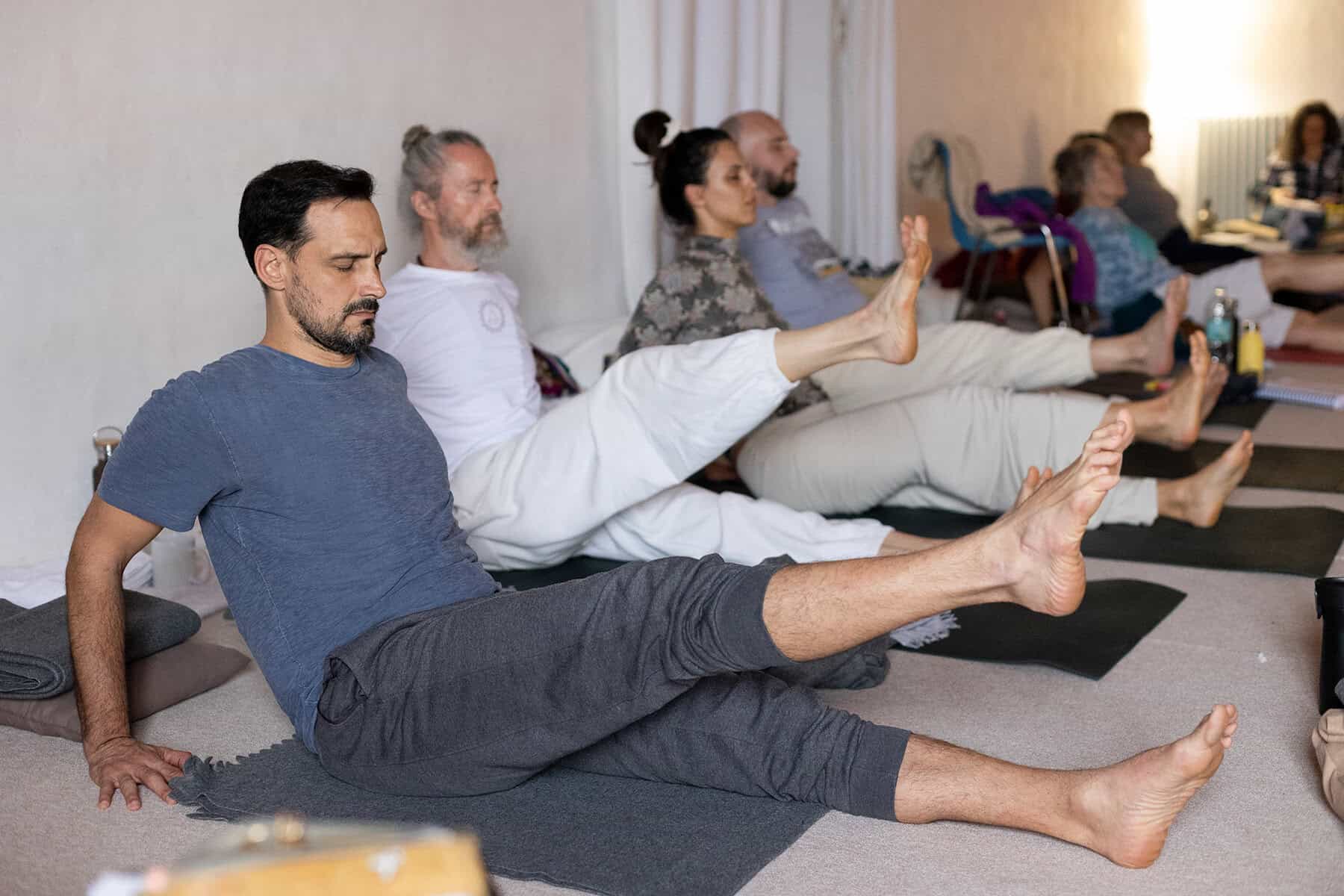
Through the guidance of Kundalini Shakti, Kundalini Yoga remains a living, breathing tradition that empowers individuals to awaken their potential and merge with Source. Practices include pranayama (breathing exercises), asana sequences (postures), mantra, meditation, bandhas (internal locks), mudras (hand gestures) and lifestyle practices.
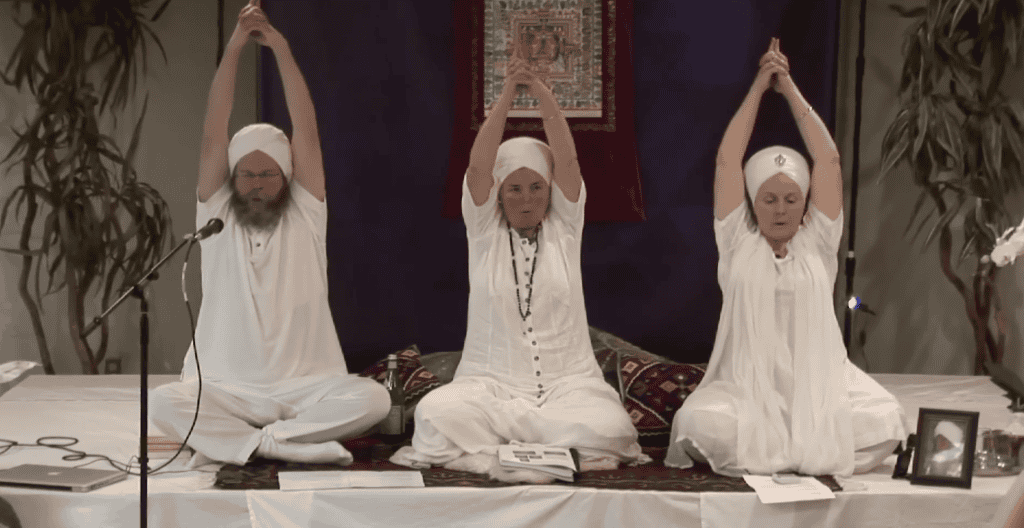
Preparatory Exercises for Lungs, Magnetic Field, and Deep Meditation
This kriya is exceptional for smokers or people with any lung deficiency. It increases the flow of prana through the lung meridian, helps to detoxify the lungs, opens the heart and increases the strength of the electro-magnetic field.

Pranayama
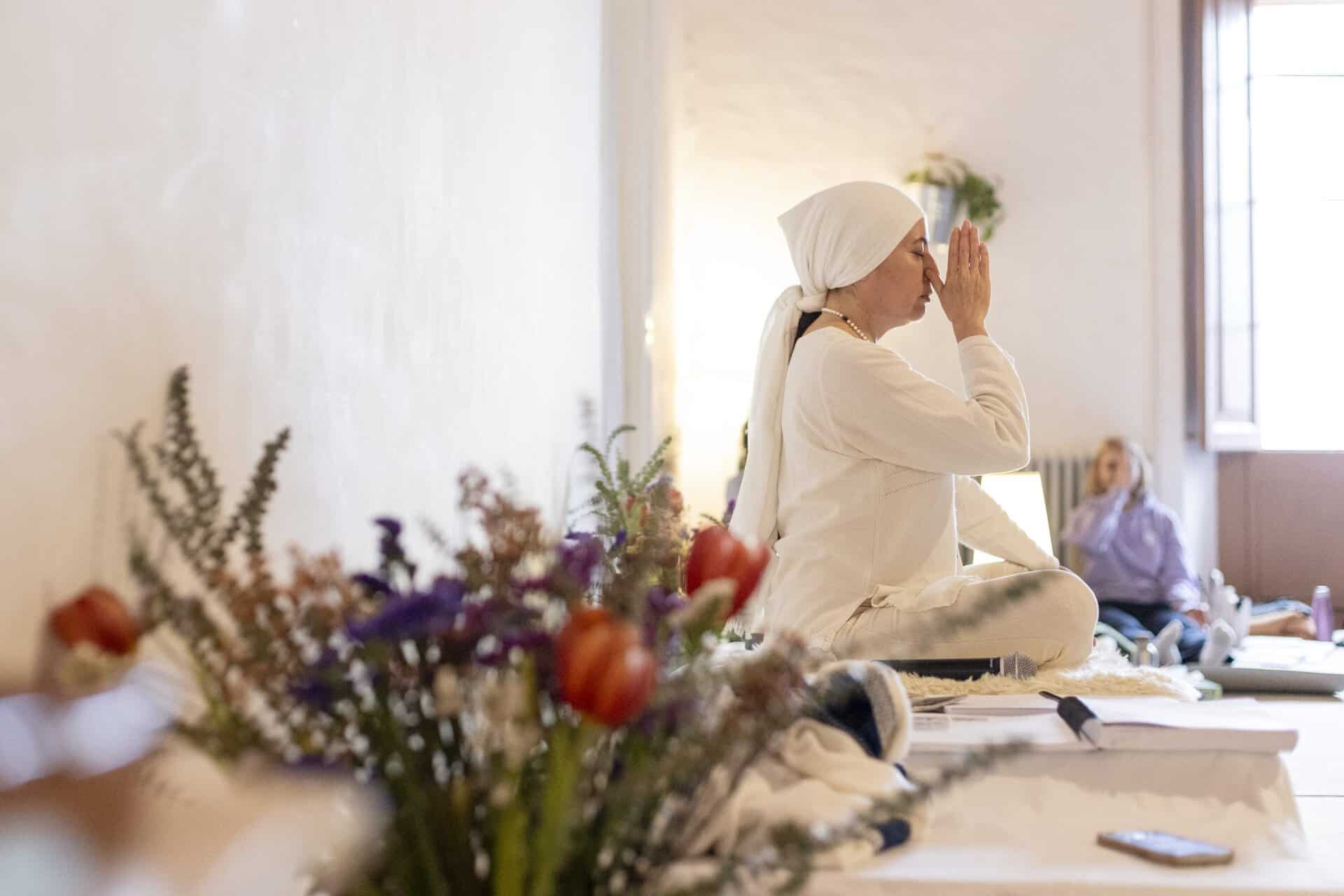
Prana is described as the subtle life force that infuses all life forms. Pranayamas are breathing practices originating in India that control the length, inhalation, retention and exhalation of the breath as the lungs expand and contract. The intention of breathing practices is to consciously control and distribute prana to enhance the physical, mental-emotional and spiritual well-being of the practitioner. These practices can help to reduce stress and anxiety; balance and improve the function of the nervous system; improve focus and mental clarity; stimulate healing; and purify the energy pathways in the body, known as nadis.
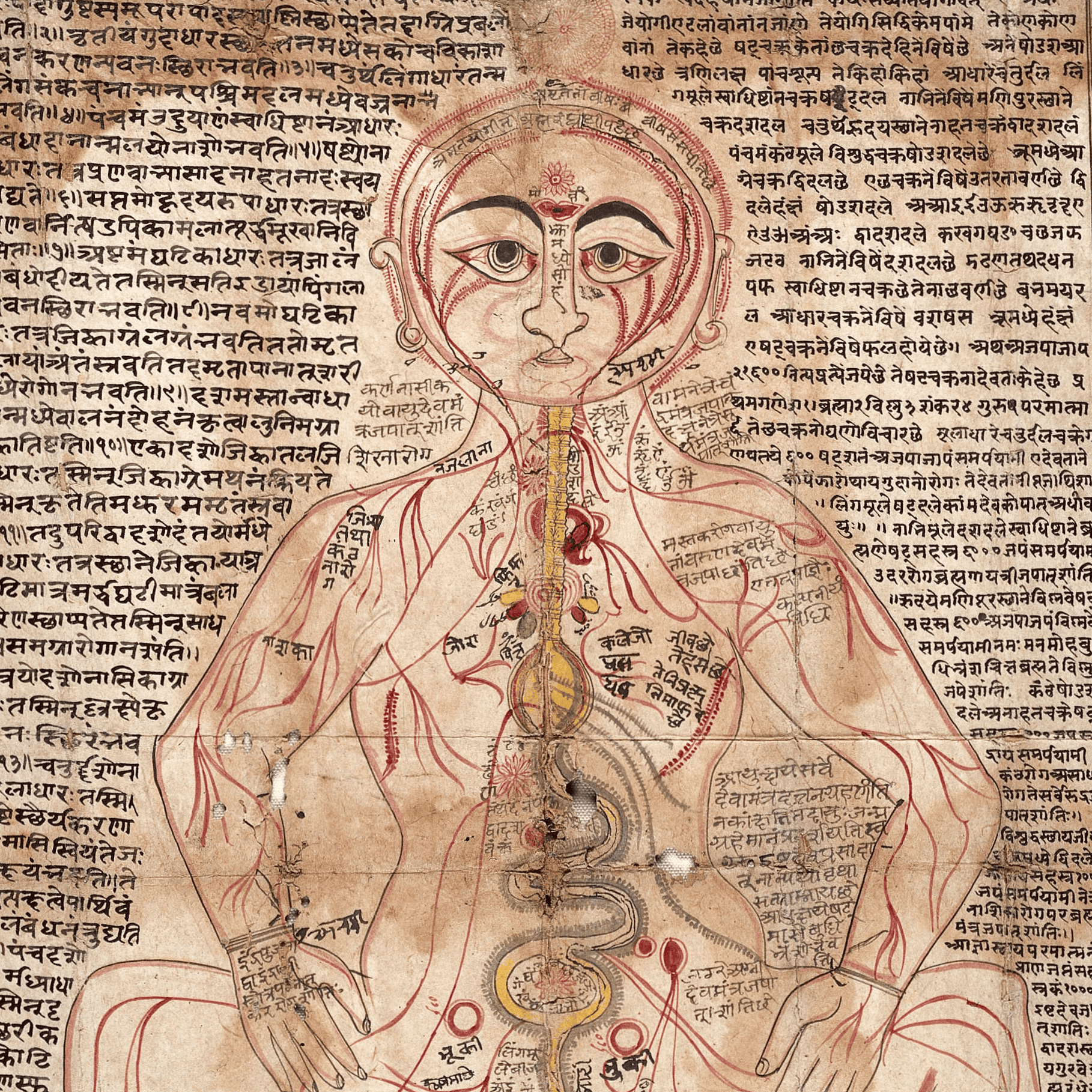
18th century Nepali illustration
showing the flow of prana,
throughout the body

Deep Breathing Technique
A simple technique from Kundalini Yoga to decrease food cravings and for general peace of mind.
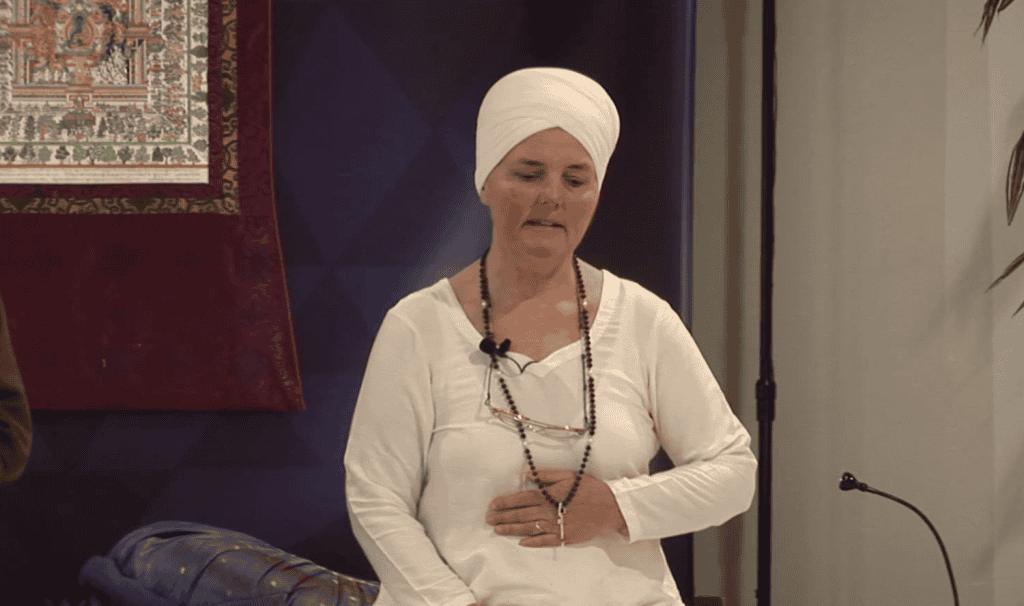
Breath of Fire
Sat Dharam Kaur describes and demonstrates "breath of fire" an integral component of Kundalini Yoga that assists in cleansing the blood, invigorating the liver and balancing the nervous system.
Meditation
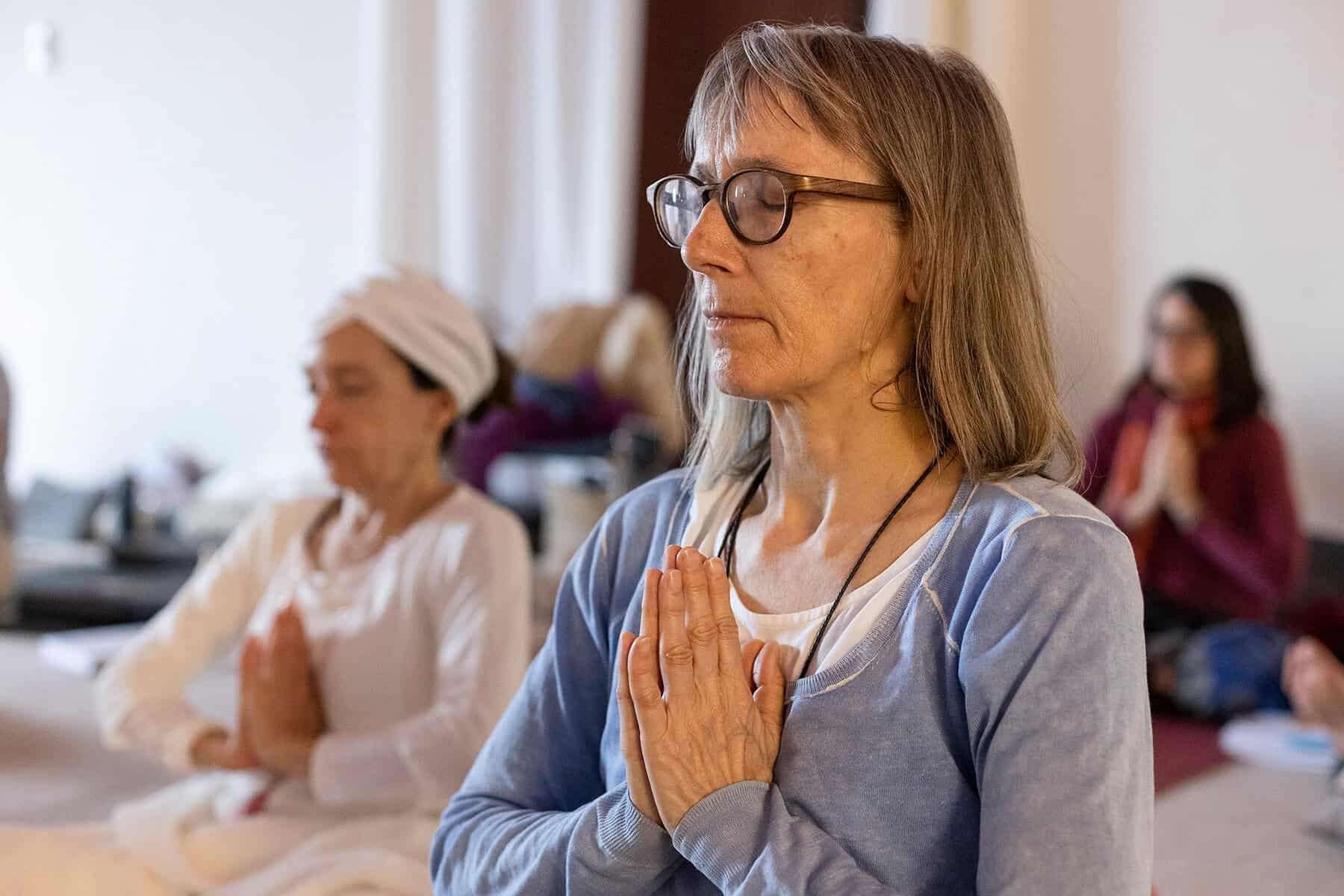
Meditation is a practice of training the mind to concentrate and cultivate awareness. It involves directing attention to a specific focus — such as the breath, a mantra, bodily sensations, or a visualization—while observing thoughts and emotions without judgment or attachment. Through mindful observation, meditation helps regulate attention, calm the mind, and develop emotional balance. Often undertaken with intention, meditation can support mental clarity, spiritual growth, insight, and a deeper connection to the present moment. Over time, meditation can also lead to altered states of consciousness, heightened self-awareness, and a sense of inner peace. It amplifies the flow of radiance from the soul.
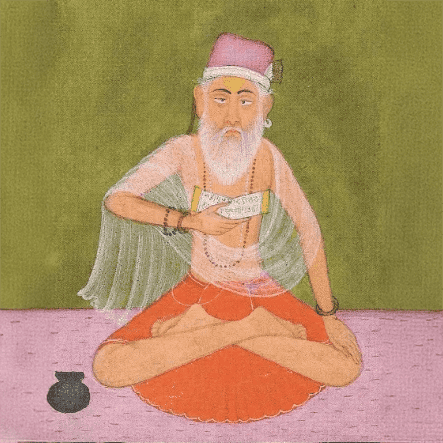
18th century watercolour of
Guru Nanak Seated in Meditation,
Chandigarh, India
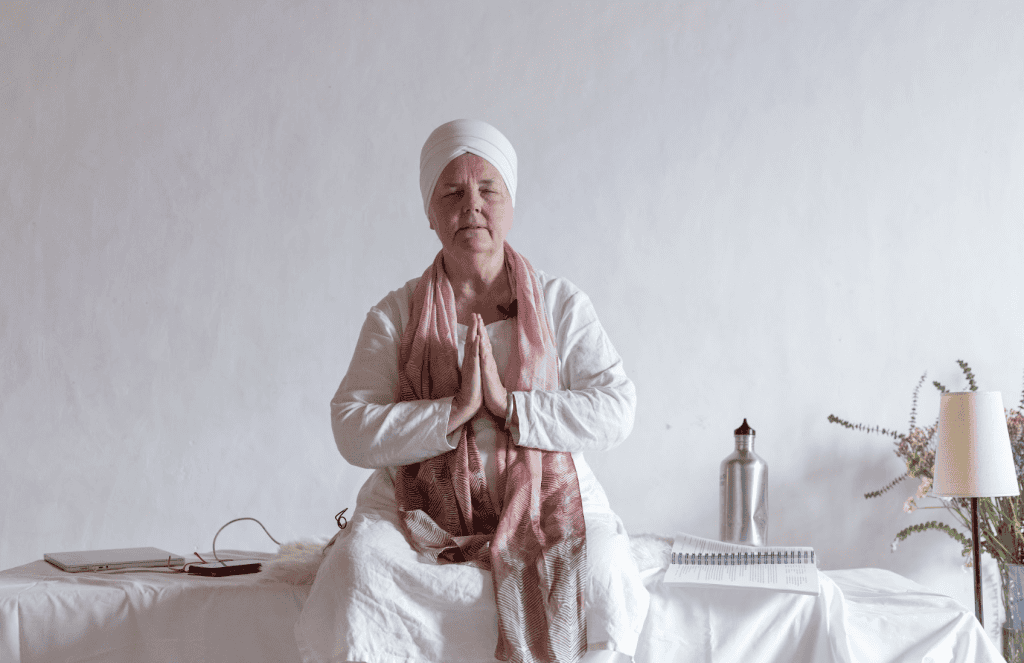
Meditation for Transformation
This meditation helps to clear negativity and darkness that cloud our experience of the true self and helps improve self-image.
Mantra

Mantras are sacred sounds, words, or phrases that are repeated, either aloud or silently, as a tool for meditation, focus, and spiritual practice. They serve to anchor attention, develop concentration and absorption, calm the mind, and cultivate a deeper state of awareness. Mantras can carry spiritual, psychological, or vibrational significance, helping to align the mind, body, and consciousness. Through repetition, they support mental clarity, emotional balance, and inner transformation, and are used to invoke specific qualities, intentions, or energies in oneself or the environment. The mantras in this training originate in the Sikh tradition.
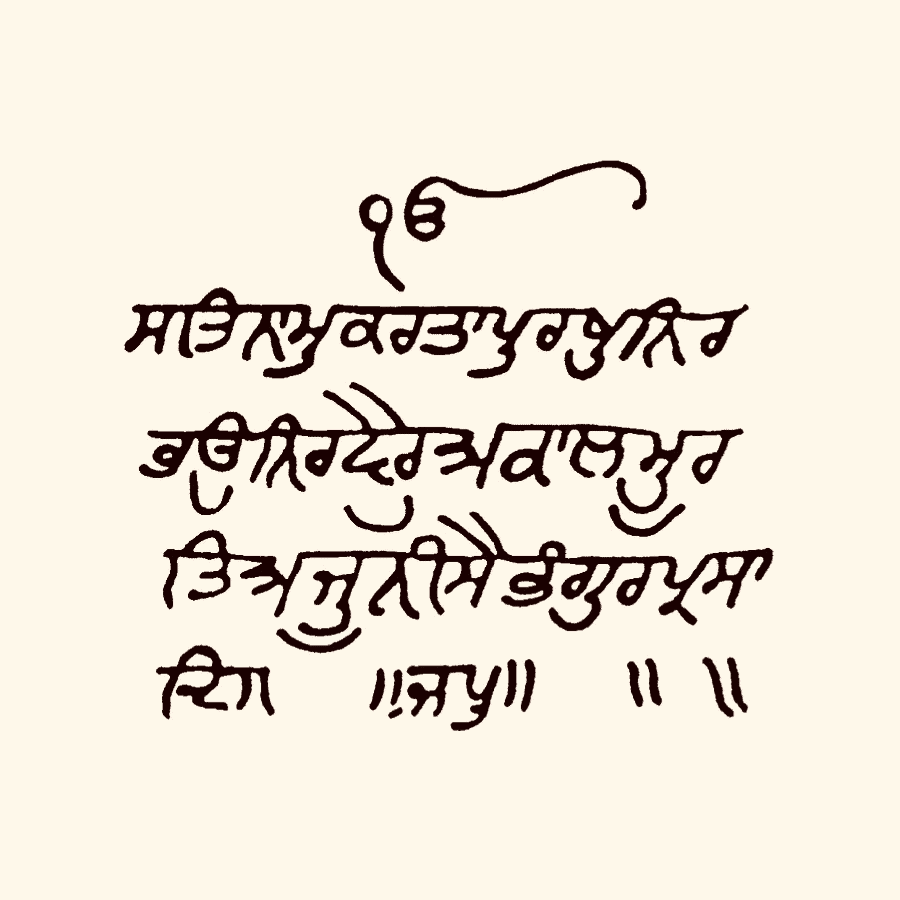
Mul Mantar in a
17th century Kartarpur manuscript

Meditation to Be A Creative Human Being
This is a meditation that uses the mantra Humee Hum Brahm Hum. Humee Hum Brahm Hum means: " "We are we and we are God."
Learn More

Practice with a Group
Join our weekly free online classes to deepen your practice in community and connect with others through shared experience.

Kundalini Yoga Teacher Training
Explore our comprehensive Kundalini Yoga Teacher Training.